
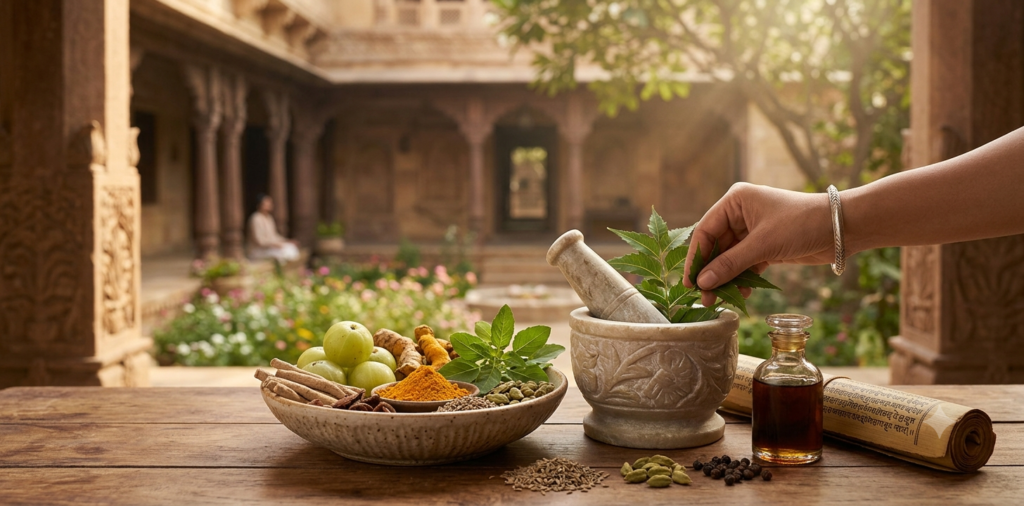
Ayurveda: A Complete Guide to India’s Ancient Science of Natural Wellness
Introduction
In the rush-around of today’s world more people than ever before are seeking natural avenues to better the health of their minds, bodies and spirits. And as interest in the overall holistic living approaches continues to soar, the Ayurvedic practice has received growing international acceptance for its centuries-old wisdom in health, nutrition and lifestyles. Hailing from India some 5000 years ago, the discipline of Ayurveda centers on balancing the body’s internal energies with the mind and the spirit rather than treating the disorder as it arrives.
It offers guidance on balanced nutrition, diurnal rhythms, botanical preparation, yoga, mediation and lifestyle habits that benefit us from within.
For those interested in Ayurvedic herbs, natural solutions or lifestyle and health remedies you need to read on for the ultimate breakdown of Ayurveda, its principles, advantages, popular herbs and how you can integrate Ayurveda into your day.
What is Ayurveda?
The word Ayurveda comes from two Sanskrit words:
- Ayur = Life
- Veda = Knowledge or Science
Together, Ayurveda means “The Science of Life.”
This system, which is among the oldest traditional practices in the world, is about proactive care, beneficial lifestyle, and balance via natural lifestyle principles. Ayurvedic approach does not aim for treatment of individual symptoms but looks at the body as a complete entity with emotional and physical wellbeing.
The Core Principles of Ayurveda
According to Ayurveda, optimum health can only be achieved through balance of the body and its interaction with the external world.
Its guiding principles include:
- Balanced nutrition
- Daily routines (Dinacharya)
- Seasonal living (Ritucharya)
- Physical activity
- Quality sleep
- Stress management
- Mindfulness and meditation
- Appropriate use of traditional herbs and spices
The goal is to support overall wellness and help the body function optimally.
Understanding the Three Doshas
One of Ayurveda’s central concepts is the three doshas, which describe different functional patterns in the body.
Vata
Associated with movement and communication.
People with Vata-dominant characteristics may enjoy creativity, enthusiasm, and adaptability.
Pitta
Associated with metabolism and transformation.
Pitta-dominant individuals are often energetic, focused, and goal-oriented.
Kapha
Associated with structure and stability.
Kapha characteristics may include calmness, strength, and endurance.
Ayurveda says to maintain equilibrium between these doshas leads to a healthy body. Since each person is unique, practitioners look at various things before making recommendations.
Benefits of Following an Ayurvedic Lifestyle
Many people choose Ayurvedic practices because they encourage healthy daily habits.
Potential benefits may include:
- Encouraging balanced eating habits
- Supporting healthy digestion
- Promoting relaxation and stress management
- Encouraging better sleep routines
- Supporting mindful living
- Inspiring regular physical activity
- Promoting seasonal and locally sourced foods
While many people find these practices beneficial, responses vary from person to person, and Ayurveda should not replace professional medical care when needed.
Popular Ayurvedic Herbs
Ayurveda has traditionally used a wide variety of herbs. Some well-known examples include:
Ashwagandha
A well-known herb used traditionally in Ayurveda for promoting health and for aiding the body in dealing with stress. More research is ongoing with regard to this component.
Turmeric (Haldi)
Made with turmeric which contains curcumin, a natural chemical that’s undergone extensive research for the purposes of being an anti-inflammatory, antioxidant, and other properties.
Amla (Indian Gooseberry)
Amla is a rich source of natural vitamin C. It’s also a frequent component of traditional remedies in Ayurvedic systems.
Tulsi (Holy Basil)
Traditionally, Ayurveda makes use of Tulsi with the sweet-scented leaves in Ayurvedic remedies, teas and various treatments.
Giloy
The use of Giloy dates back many years in Ayurvedic practice and can still be found in numerous herbal formulations.
Neem
Neem has a strong presence in the traditional culture of the land and is well recognized for its usefulness in the preparation of numerous skin care and dental care products. Before you begin taking herbal supplements, consult a registered practitioner especially if you are pregnant or breastfeeding, taking any prescription drugs or have a chronic disease.
Ayurvedic Diet Principles
Ayurveda advocates consuming foods which are fresh, pure and which agree with a persons individual likings, culture and ways of life.
General dietary recommendations include:
- Fresh seasonal fruits
- Vegetables
- Whole grains
- Lentils
- Nuts and seeds
- Traditional spices
- Moderate portions
- Adequate hydration
Also helps to focus on your food, eat your meals in the correct times and try not to overeat.
Ayurvedic Daily Routine (Dinacharya)
A healthy daily routine is an important part of Ayurveda.
Typical habits may include:
Wake Up Early
Starting the day early can help establish consistent routines.
Drink Water
Hydration supports normal body functions.
Gentle Exercise
Walking, stretching, or yoga can promote flexibility and overall fitness.
Mindfulness
Meditation or deep breathing may help reduce everyday stress.
Balanced Meals
Eating regular, nutritious meals supports overall health.
Adequate Sleep
Consistent sleep schedules contribute to physical and mental well-being.
Ayurveda and Modern Lifestyle
Many Ayurvedic principles align with modern wellness advice, including:
- Eating more whole foods
- Reducing highly processed foods
- Managing stress
- Getting enough sleep
- Staying physically active
- Practicing mindfulness
The evidence-based medical approach, when combined with healthy lifestyle habits, leads to a more sustained sense of overall well-being.
Ayurveda in Retail
Consumers in growing numbers are looking to return to nature and embrace age-old products, thereby making Ayurveda a prominent sector of the retail market.
Popular Ayurvedic retail products include:
- Herbal teas
- Herbal powders
- Ayurvedic syrups
- Honey
- Chyawanprash
- Herbal oils
- Natural skincare products
- Digestive blends
- Herbal spices
- Wellness supplements
When shopping for Ayurvedic products, buy them from reputed manufacturers, and that clearly list out the ingredients and adhere to good quality control..
How to Choose Quality Ayurvedic Products
Before buying Ayurvedic products, consider the following:
- Read the ingredient list carefully.
- Choose products from trusted manufacturers.
- Check manufacturing and expiry dates.
- Follow storage instructions.
- Look for products that comply with applicable quality standards.
Avoid products that make unrealistic promises or claim to cure diseases.
Common Myths About Ayurveda
Myth 1: Ayurveda Works Instantly
Ayurveda generally emphasizes long-term lifestyle habits rather than immediate results.
Myth 2: Natural Always Means Risk-Free
Natural products can still interact with medications or cause side effects in some individuals.
Myth 3: Ayurveda Can Replace Modern Medicine
Ayurveda is a traditional wellness system and should complement—not replace—professional medical advice and treatment when appropriate.
Myth 4: Ayurveda Is Only About Herbs
Ayurveda also includes nutrition, sleep, exercise, yoga, meditation, daily routines, and overall lifestyle.
Tips for Incorporating Ayurveda into Daily Life
- Eat freshly prepared meals.
- Include a variety of seasonal fruits and vegetables.
- Stay hydrated throughout the day.
- Practice mindful eating.
- Maintain regular sleep habits.
- Engage in daily physical activity.
- Explore yoga or meditation.
- Choose high-quality Ayurvedic products from reliable retailers.
Consistent small habits generally deliver far greater results than dramatic life overhauls.
Conclusion
Ayurveda – A Traditional Health & Lifestyle Guide Ayurveda is an ancient form of wellness that has a global influence in promoting better health and life choices. From a nutritious and balanced diet and a daily regimen to practicing mindfulness and responsibly consuming herbs and herbal remedies, Ayurveda is known to bring harmony to your life. So whether you’re searching for Ayurvedic herbs, herbal products or natural wellness therapies and treatments, ensure you fuse this ancient wisdom with medical guidance and make conscious, informed decisions. Ensure you invest in quality Ayurvedic products and enjoy the fruits of this eternal science!
Frequently Asked Questions (FAQs)
1. What is Ayurveda?
Ayurveda is a natural and herbal holistic well-being system, that aims to support you to lead a balanced life with food, habits, herbs, and daily mindful routines.
2. Is Ayurveda safe?
Most Ayurvedic practices like balanced diet, yoga, and meditation can be performed safely. Some products made with herbs may not work or be suitable for everyone, hence talk to a medical practitioner before using them.
3. What are the three doshas in Ayurveda?
Vata, Pitta and Kapha Three are dosha The three dosha (functional patterns defined in Ayurveda tradition that help provide personal life-style guidelines):
4. Which herbs are commonly used in Ayurveda?
Some commonly used Ayurvedic herbs such as Ashwagandha, Turmeric, Amla, Tulsi, Giloy, and Neem are quite renowned for their traditional medicinal value. The scientific and research on several herbs is being carried out in numerous study groups and laboratories.
5. Can Ayurveda be combined with modern medicine?
Quite a few people integrate Ayurvedic lifestyle practices into their medical care. But, there are reports of herbal remedies and certain prescription drugs being at loggerheads with each other, so ask your health care practitioner to clarify prior to you start!